Birth Injuries at Government Hospitals: What can Parents do?
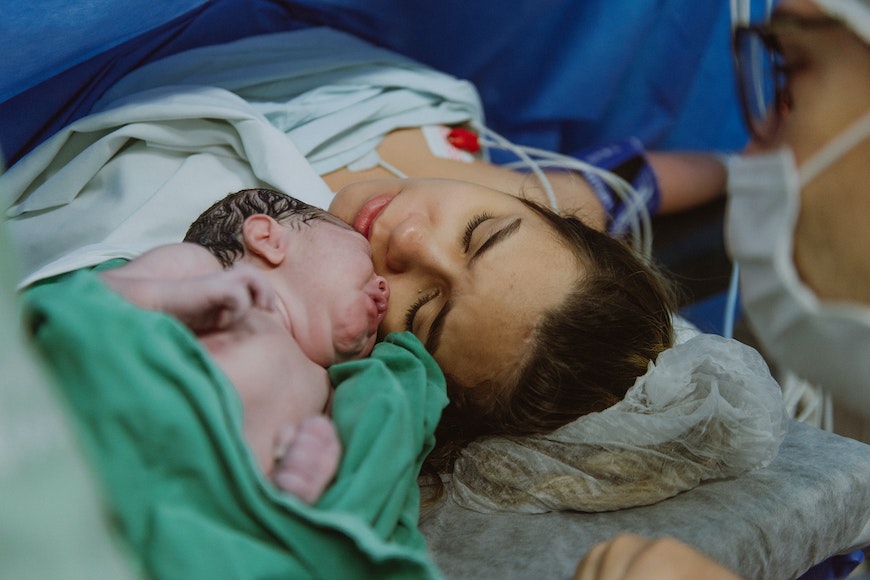
Childbirth has always been a daunting affair. A joyous occassion can turn deadly for mother and child if not handled properly. Birth injuries are commonly suffered by the latter. They can happen in-utero, during the delivery process, and at the neonatal stage.
Between private and Government healthcare centres, neither can be said to hold the higher score of birth injuries. In recent times however, Government hospitals have been put in the spotlight because of a surge in publicity of successful medical negligence claims against them. Most involve catastrophic birth injuries. Indeed, the largest payouts for birth injuries are in cases involving Government hospitals.
Birth injuries garner the attention they deserve because they typically result in death or lifelong physical and cognitive impairment for the child. In cases involving permanent impairment, it is not just the child who suffers. Their carers (usually their parents) will have to bear the lifelong burden of caring for their child who will never be able to live an independent life. Damages in birth injury cases are therefore usually substantial because of the crippling cost and expense for the upkeep of a permanently disabled child.
This article is for parents whose child has suffered a birth injury because of clinical negligence in a Government hospital. There are legal and procedural hurdles unique to claims against Government healthcare facilities that parents ought to be aware of.
Common Birth Injuries in Medical Negligence Claims
Birth injuries can occur at any stage of the pregnancy. In most cases, it usually happens during labour and the delivery process. Injuries which are commonly encountered medical negligence claims are: –
- Cerebral Palsy (CP) Secondary to Hypoxic-Ischaemic Encephalopathy (HIE)
Often collectively referred to as “brain-damage”, it is caused by prolonged oxygen deprivation to the foetus during labour or delivery. Sometimes, it can be caused by improper neonatal care. A baby with CP will suffer lifelong motor and cerebral impairment and will need round the clock care. Common causes include, delay in detecting and/or managing foetal distress, labour and neonatal complications. - Spinal Cord & Brachial Plexus Injuries
Often referred to as nerve injuries between the neck and shoulder. It is caused by excessive force applied on the foetus’ neck and shoulder region during delivery, typically in cases of shoulder dystocia. Nerve injuries can cause temporary impairment and in serious cases, permanent paralysis and lifelong mobility impairment. - Intracranial & Limb Fractures
Broken and fractured bones can be caused by improper use of obstetric instruments and/or excessive physical force on a newborn. Any bony fractures can cause mobility deficits which require medical and rehabilitation intervention.
Reported Cases of Birth Injuries in Government Hospitals
These cases below are reported in the law journals and all avenues of appeal have been exhausted. There are of course, many other cases of birth injuries in Government hospitals which are not reported or litigated.
| Patient | Hospital | Year | Amount Awarded (Rough) | Injury |
|---|---|---|---|---|
| Thaqif Asyraf bin Khairol Nizam | Hospital Pulau Pinang | 2024 | RM 9.5 million | CP secondary to HIE |
| Nur Adeena binti Mohd Syamir | Hospital Selayang | 2024 | RM 8.5 million | Spinal cord injury |
| Nur Arissa Naura binti Noor Afrizal | Hospital Kuala Lumpur | 2023 | RM 4.3 million | CP secondary to HIE |
| Muhammad Uwais bin Irwanbudiana, deceased | Hospital Tawau | 2022 | RM 775,375.50 | CP secondary to HIE before death |
| Hezra Hadi bin Mohd Hanis Hadi | Hospital Pulau Pinang | 2022 | RM 4.9 million | Auto-amputation of right arm secondary to arterial line complications |
| Yasmin Nabilah binti Zulhilmi | Hospital Sungai Buloh | 2022 | RM 3.0 million | CP secondary to HIE |
| Nur Farzana Aida binti Faizal | Hospital Seberang Prai | 2021 | RM 1.4 million | CP secondary to HIE |
| Yap Sao Leong, deceased | Hospital Enche Besar Hajjah Kalsom, Kluang | 2021 | RM 2.3 million | CP secondary to HIE before death |
| Nur Damia Lutfiah binti Fazli | Hospital Kuala Lumpur | 2020 | RM 2.3 million | CP secondary to HIE |
| Muhammad Fikrey bin Bakthiar | Hospital Pakar Sultanah Fatimah, Muar | 2019 | RM 4.0 million | CP secondary to HIE |
| Sufiahna Az Zahra binti Mohd Rozaini | Hospital Ampang | 2019 | RM 3.8 million | CP secondary to HIE |
| Nur Syasya Syaurah binti Tahir | Hospital Tawau | 2018 | RM 3.8 million | CP secondary to HIE |
| Muhammad Yassien bin Zuliskandar | Hospital Sultanah Aminah, Johor Bahru | 2o18 | RM 2.2 million | CP secondary to HIE |
| Harraz bin Abdul Halim | Hospital Sultan Ismail, Johor Bahru | 2018 | RM 3.7 million | CP secondary to HIE |
| Rohgetana d/o Mayathevan | Hospital Melaka | 2017 | RM 5.6 million | CP secondary to HIE |
| Inas Faiqah binti Mohd Helmi | Hospital Sungai Buloh | 2015 | RM 1.4 million | CP secondary to HIE |
| Nurul Husna binti Muhammad Hafiz | Hospital Selayang | 2014 | RM 2.7 million | CP secondary to HIE |
| Hariesh Kumar s/o Muthragi | Hospital Sultanah Aminah, Johor Bahru | 2014 | RM 3.0 million | CP secondary to HIE |
| Lim Zi Hong | Hospital Selayang | 2013 | RM 3.4 million | CP secondary to HIE |
| Ku Jia Shiuen | Hospital Sultanah Aminah, Johor Bahru | 2012 | RM 1.6 million | CP secondary to HIE |
Challenges Specific to Claims Against Government Hospitals
Claims against Government hospitals typically feature unique legal and procedural hurdles which are not ordinarily encountered in claims involving private healthcare providers.
- Obstruction of Access to Medical Records
Despite the law on a patient’s innominate and qualified right of access to their medical records being well-settled, Government hospitals always insist that a claimant patient first obtain a Court order for access to their own medical records and payment of photocopying and administrative charges. Parents looking to pursue a claim against a Government hospital must budget for the cost and expense for an application to Court for pre-action discovery of medical records. - Identifying & Naming All Tortfeasors
Unlike a leaner setting in private hospitals, a patient will typically have several housemen, medical officers, specialists, and nurses attend to their case. The negligent healthcare practitioner is therefore not always readily apparent. There is a Federal Court ruling that if even one tortfeasor is missed out, a claim against the Government will fail. It is therefore common to see every single healthcare worker who attended to the claimant being named in claims involving Government hospitals. The Courts have been seen penalising claimants for “unncessarily” naming non-negligent healthcare workers. - Vast Access to Medico-legal Resources
Goverment hospitals and their officers are usually represented by the Law Officers from the Attorney-General’s Chambers. Touted as the “largest law firm” in the country, they naturally would have vast medico-legal resources at their disposal. - Limited Options for Enforcing a Judgment against the Government and their Officers
The law precludes the Government and their officers from being liable to the conventional recourse to enforcement proceedings which are ordinarily available against a private entity. Payment will eventually come but in their own time. - Shorter Limitation Period
The limitation to bring a claim against the Government is 3 years, not 6. In cases involving minors, the 3-year limitation period will begin to run from their 18th birthday. For cases involving death, limitation runs from the date of death.
What Parents Should Do
If you suspect that your baby’s poor condition may have been caused by clinical negligence, early and structured action may assist in preserving your interests in a potential claim in Court.
Lodge a Complaint on SISPAA or directly to the Hospital’s Administration
In some case, this may trigger the hospital to conduct an internal inquiry. In some cases, an internal invesitgation had found that there was negligence and identified the culpable parties. Damning results of an internal inquiry are admissible as evidence in Court.
Document any Refusal to Disclose Medical Records
Put in a written request for a copy of a set of the mother’s and baby’s respective medical records and document any refusal on the part of the hospital to accede to the request.
Retain a Comprehensive Chronology of Events
Parents should document key events, observations, and communications with their healthcare providers. This will be important especially when there is a controversy between the parents’ and hospital’s accounts of the clinical events.
Retain and Organise all Documents of Expenses Incurred
Having a comprehensive record of expenses will be of immense assistance to your lawyer who will face the mammoth task of presenting the evidence of heavy expenses to the Court.
Do Not & Absolutely Do Not Attempt Self-Help
Do not try to do things yourself. You may cause irremediable damage to your case which will make it difficult for any lawyer to be able to take up your case. Consult a lawyer who is experienced in medico-legal claims. They will help you assess whether your have viable ground to sucessfully sue for medical negligence.
Seeking Legal Guidance for Medical Negligence Claims
Birth injuries often have profound and lasting consequences for both the child and the family. While nothing cannot reverse permanent injuries or death, adequate compensation will greatly reduce the burden of the afflicted and their family. Proper and adequate care can and have extended the estimated reduced life expectancy of permanently disabled patients.
If something goes wrong, the one at fault must pay. A patient and their family cannot be expected to finance the consequences of their healthcare providers’ negligence.
Such claims require careful evaluation of medical evidence, legal principles, and procedural considerations. Families may benefit from seeking advice from lawyers for medical malpractice familiar with the complexities of birth injury claims, particularly those involving Government healthcare facilities.
Written by: –
Evan Lee Sian Wen
Advocate & Solicitor (Malaya)
Principal of Evan Lee Advocates & Solicitors
~We do not use generative artificial intelligence in our materials~
All rights reserved